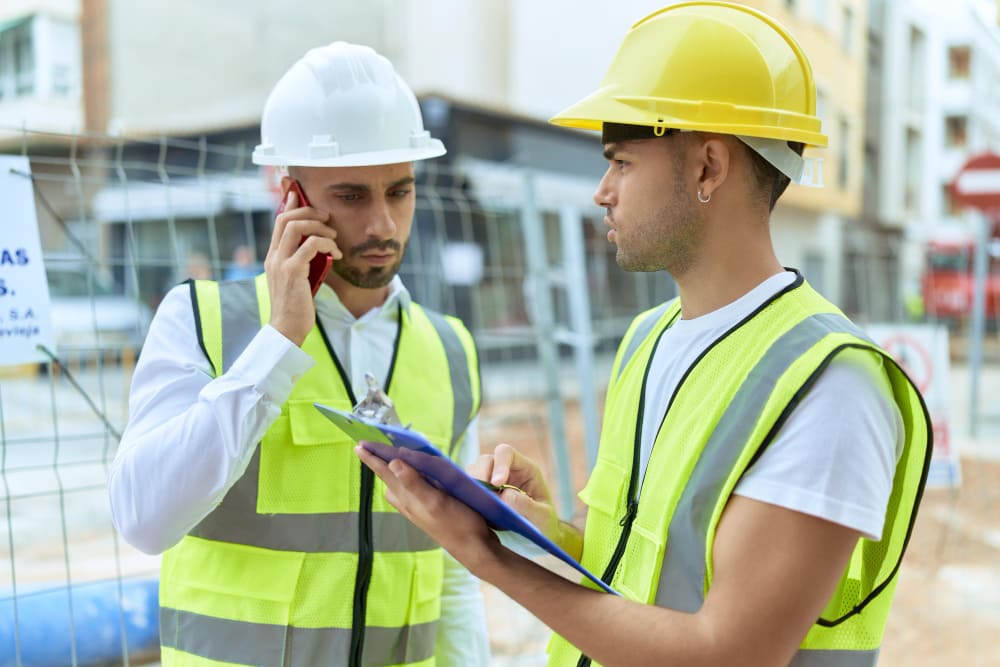
Safety is paramount in the construction industry, where risks are inherent and work environments are constantly changing. Enhancing safety standards on construction sites not only protects workers and reduces accidents but also improves project efficiency and compliance with regulations.
A robust safety culture begins with comprehensive training programs. Workers must be educated on hazard recognition, proper use of personal protective equipment (PPE), and emergency response procedures. Regular safety drills and refresher training keep safety top of mind and build a vigilant workforce.
Implementing strict safety protocols and clear guidelines is essential. This includes establishing site-specific safety plans, enforcing PPE use, conducting routine site inspections, and promptly addressing any hazards or unsafe behaviors. Effective communication channels ensure that safety concerns are reported and resolved quickly.
Technological advancements also play a vital role. Tools such as wearable safety devices, drone inspections, and digital monitoring systems provide real-time data to identify risks and optimize safety measures. These innovations help prevent incidents before they occur.
Engagement and accountability across all levels of the construction team foster a safer workplace. When management, supervisors, and workers share ownership of safety, adherence to standards becomes a collective priority, reducing incidents and enhancing overall morale.
By prioritizing safety standards, construction companies demonstrate their commitment to worker well-being and regulatory compliance, creating safer, more productive sites that contribute to successful project outcomes.